
Chicago's anti-spam call laws protect residents from intrusive telemarketing through strict regulations on unsolicited calls, texts, and automated systems. Express consent is required, with penalties up to $50,000/day for violations. Illinois Consumer Fraud Act targets false representations in spam calls. Staying informed, verifying caller identity, using blocking apps, and reporting suspicious calls are key protections. Collaboration between consumers, spam call lawyers Chicago, and regulatory bodies strengthens enforcement. Compliance checks, staff training, and updates from experts like spam call lawyers Chicago are essential for businesses to avoid legal issues. Reporting unwanted calls helps identify areas with high spam activity, strengthening anti-spam laws. Staying ahead of evolving legislation through expert guidance is critical for effective protection against nuisance calls.
Staying abreast of spam call legislation is paramount for businesses and individuals alike, especially given the ever-evolving regulatory landscape in Chicago. The relentless influx of unsolicited phone calls, often disguised as promotional or fraudulent, has prompted a robust response from authorities. These stringent laws, designed to protect consumers, mandate specific practices for legitimate businesses to adhere to, avoiding the pitfalls of penalization. This article provides an authoritative guide on navigating these regulations, offering practical insights tailored for Chicago residents and businesses, with a focus on leveraging the expertise of a spam call lawyer Chicago to ensure compliance and mitigate risks.
Understanding Chicago's Anti-Spam Call Laws
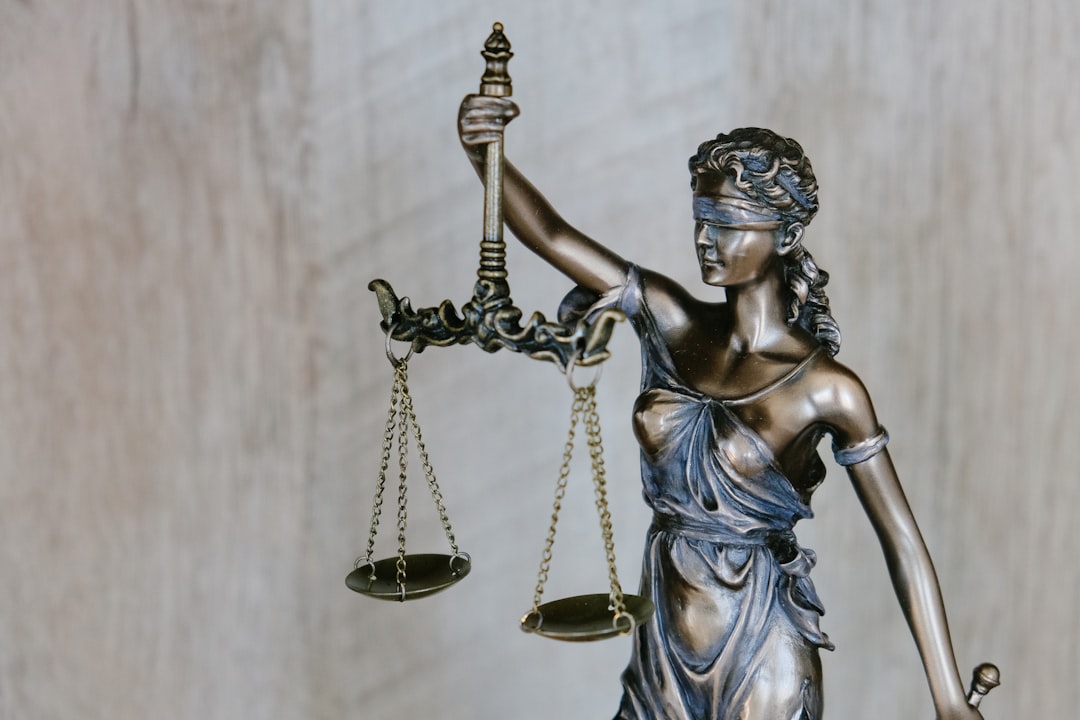
Chicago's Anti-Spam Call Laws are designed to protect residents from intrusive and often deceptive telemarketing practices. Understanding these regulations is crucial for businesses and individuals alike to avoid penalties and ensure compliance. The laws cover a range of activities, including unsolicited phone calls, text messages, and automated dialing systems. One key aspect is the requirement for express consent before making such calls, meaning companies must have explicit permission from consumers to contact them.
A notable example of this legislation is the Illinois Consumer Fraud and Deceptive Practices Act, which specifically addresses spam calls and text messages. This act prohibits businesses from using "false or misleading representations" in their marketing efforts, including impersonating a consumer's identity or using numbers not associated with the caller. Additionally, Chicago has implemented strict do-not-call lists, similar to federal programs, allowing residents to register their phone numbers and restrict commercial calls. Violations of these laws can result in substantial fines, with penalties reaching up to $50,000 per day for repeated offenses, making it imperative to consult a spam call lawyer Chicago experts to navigate this complex legal landscape.
To stay current, businesses should regularly review updates from the Chicago Department of Business Affairs and Consumer Protection (BACP). The BACP publishes guidelines and alerts regarding changes in anti-spam call legislation, ensuring companies are aware of their obligations. Engaging with reputable spam call lawyer Chicago firms can also provide valuable insights and assistance in interpreting these laws, especially as they evolve to keep pace with emerging technologies like artificial intelligence-driven calls. Regular compliance checks and training for staff involved in telemarketing activities are essential practices to maintain adherence to Chicago's anti-spam call regulations.
Identifying Legitimate vs. Spam Calls

Staying informed about spam call legislation is paramount for Chicago residents to protect themselves from deceptive practices. In an era where communication technologies evolve rapidly, so do tactics employed by telemarketers and scammers. A key skill to master is distinguishing legitimate calls from spam, a task that requires understanding current laws and developing keen discernment.
Chicago's consumer protection laws, enforced by the Better Business Bureau and other regulatory bodies, offer safeguards against unsolicited phone calls. These regulations allow residents to opt-out of marketing calls, yet identifying genuine sales or service inquiries from spam remains challenging. For instance, while a call claiming to be from a local utility company might seem legitimate, it could still be a scammer attempting to access personal information. A qualified spam call lawyer Chicago emphasizes that such cases often employ psychological tactics, leveraging fear or urgency to manipulate recipients.
Practical steps include verifying the caller's identity by checking the number through official channels and researching known spam patterns. Official government databases and consumer protection websites provide resources to identify common spam call strategies. Additionally, utilizing blocking apps specifically designed to filter out spam calls can offer a robust defense against unwanted intrusions. Regularly reviewing privacy settings on communication devices is another essential practice, as these tools empower users to control incoming call types.
Experts advise staying vigilant and reporting suspicious calls to relevant authorities. Collaboration between consumers, legal professionals specializing in spam call law Chicago, and regulatory bodies is crucial in combating evolving spamming tactics. By combining knowledge, technology, and proactive measures, Chicago residents can effectively navigate this complex landscape, ensuring they remain protected against deceptive spam calls.
Reporting Unwanted Phone Calls

Staying informed about spam call legislation is paramount for Chicago residents and businesses alike to avoid legal pitfalls. One effective method of combating unwanted phone calls is through reporting, a powerful tool that aids in enforcing anti-spam laws. The Illinois Attorney General's office plays a pivotal role in this process by providing a dedicated line for citizens to register complaints. This mechanism not only helps individuals but also serves as valuable data for experts like spam call lawyers Chicago who track trends and patterns in these infringements.
When a phone call is deemed fraudulent or harassing, reporting it becomes an act of civic responsibility. For instance, if a consumer receives repeated calls from telemarketers despite being on the Do Not Call list—a right granted by federal law—they should document these incidents and report them. This documentation includes saving call records, timestamps, and any relevant communication. A spam call lawyer Chicago recommends that individuals include their full names, contact information, and a detailed description of each incident when filing reports.
The reported data is instrumental in identifying areas with high spam call activity, enabling regulators to allocate resources more efficiently. It also helps in building cases against violators, ultimately strengthening anti-spam call legislation. In recent years, Chicago has seen notable successes in prosecuting spammers thanks to citizen engagement and reporting efforts. This collaborative approach not only protects consumers but also shapes the legal landscape, ensuring that spam call laws remain robust and effective.
Legal Recourse with a Spam Call Lawyer Chicago

Staying updated on spam call legislation is paramount to protect your rights as a Chicago resident. In an era where nuisance calls have become increasingly sophisticated, understanding your legal recourse against spam calls is crucial. A spam call lawyer Chicago can offer invaluable guidance and representation in navigating these complex laws. These attorneys specialize in consumer protection laws, enabling them to help individuals and businesses combat unsolicited telephone marketing calls effectively.
Chicago's Consumer Protection Act, for instance, restricts the use of automated dialing systems and prerecorded messages without prior express consent. A spam call lawyer Chicago will be well-versed in these regulations, assisting clients in identifying potential violations. They can help you assess if a caller has invaded your privacy by leaving repeated spam calls or using illegal methods to market their products or services. The Federal Trade Commission (FTC) also plays a significant role, enforcing laws against deceptive marketing practices, including spam calls. Legal experts stay abreast of FTC guidelines and court rulings to provide clients with the best possible defense against spamming tactics.
Beyond legal advice, these professionals offer practical solutions for blocking future spam calls. They can guide you in registering your number on Do Not Call lists and suggest advanced call-blocking technologies. By combining their expertise with technological advancements, they empower individuals to regain control over their communication channels. In cases where spammers have caused significant distress or financial loss, a spam call lawyer Chicago may pursue legal action for damages, holding offenders accountable under relevant state laws.
Staying Ahead: Upcoming Changes in Legislation

Staying Ahead of upcoming changes in Chicago's spam call legislation is paramount for businesses and individuals alike. The landscape of telemarketing laws evolves constantly, with new regulations aimed at protecting consumers from intrusive and deceptive practices. In Chicago, where a significant portion of the city's population experiences high volumes of spam calls daily, understanding these changes and their implications is crucial. For instance, recent amendments have introduced stricter penalties for violators, emphasizing the need for heightened compliance measures.
A notable trend in upcoming legislation involves enhanced consumer rights and more robust mechanisms to report and combat spam calls. This shift reflects a growing awareness of the psychological and financial toll excessive spam calls can inflict on residents. A spam call lawyer Chicago recommends that businesses proactively review and update their communication strategies to avoid legal repercussions. One effective approach is implementing advanced call screening technologies and obtaining explicit consent for marketing calls, ensuring compliance with upcoming standards.
Moreover, data privacy regulations are expected to tighten, aligning with global trends in cybersecurity. This development underscores the importance of securing customer data and adopting robust data protection protocols. Businesses should anticipate changes in how they handle and share consumer information, focusing on transparency and user control. Staying informed about these developments requires regular consultations with legal experts specializing in spam call laws Chicago, who can provide tailored guidance to navigate this dynamic regulatory environment effectively.